Summary
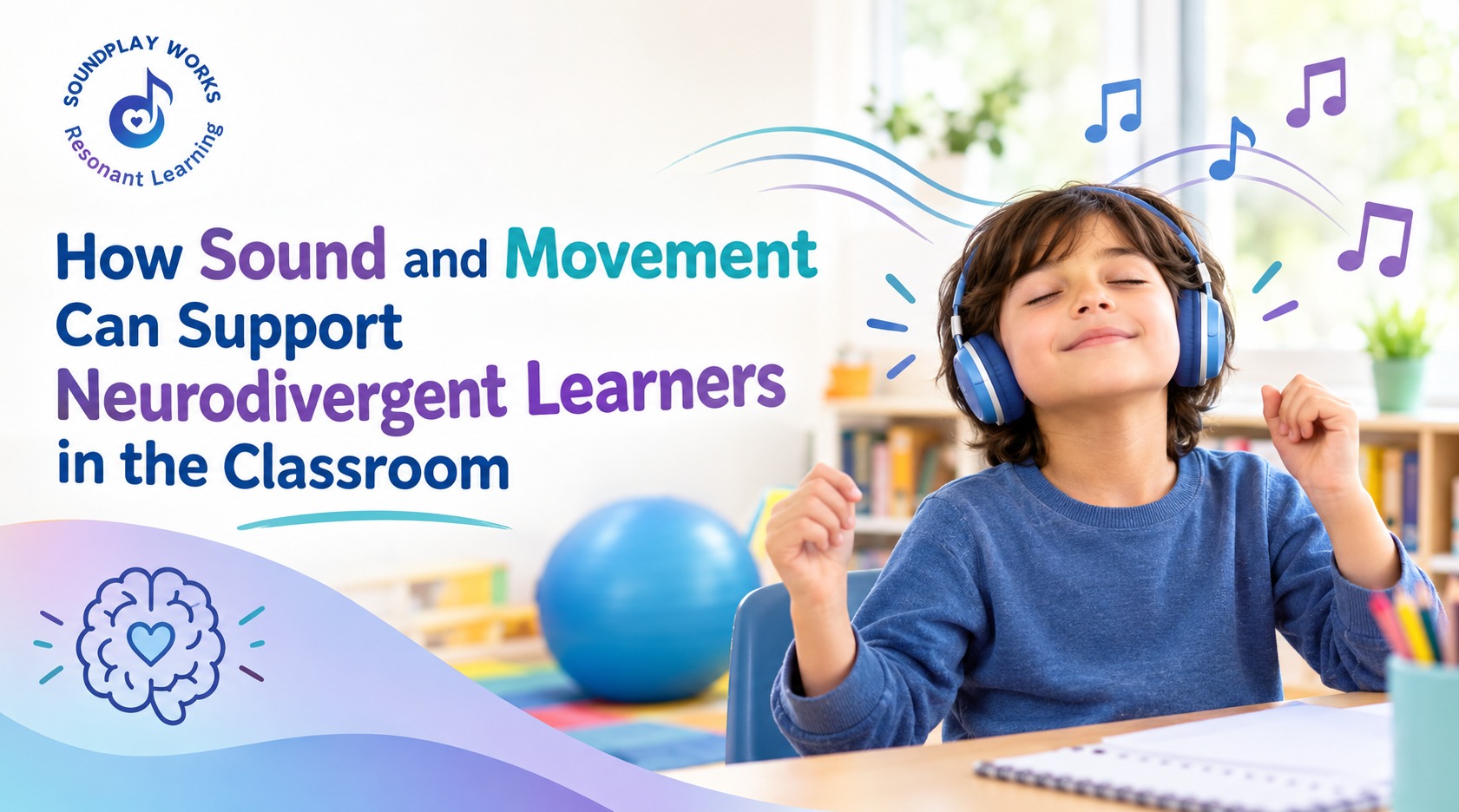
Sound and movement can make classrooms more accessible for neurodivergent learners. Sound and movement support focus, self-regulation, sensory exploration, hands-on learning, and social connection. Rhythms, movement breaks, and mindful sounds can make learning engaging.
————————————————————————
Learning does not always mean sitting still, listening, and writing things down. For many neurodivergent learners in Hamilton, the classroom can feel overwhelming when there is too much noise, too little movement, or just one right way to participate. This is where sound and movement can make a difference. They can make learning more sensory, playful, and easier to connect with.
Here is how sound and movement can support neurodivergent students in the classroom:
Why Sound And Movement Are Essential For Neurodivergent Learners Hamilton
Involve Movement in Learning
Some students learn better when their bodies are involved. Gentle stretching, rhythmic movements, or simple movement breaks can give learners a chance to release extra energy. It also helps them to reconnect with the activity. Movement-based mindfulness can also create useful transitions between tasks. It does not make a classroom louder or more chaotic. It gives the body a role in learning too.
Use Sound as a Focus Tool
A classroom can be full of random distracting sounds. But intentional sound can be different. Rhythm, humming, gentle tones, breathing sounds, or simple instruments can create a predictable sensory experience. These activities can help students pause, settle, listen, and prepare for what comes next. Even something as simple as a short rhythm pattern before a lesson can make a difference.
Make Learning Hands-On
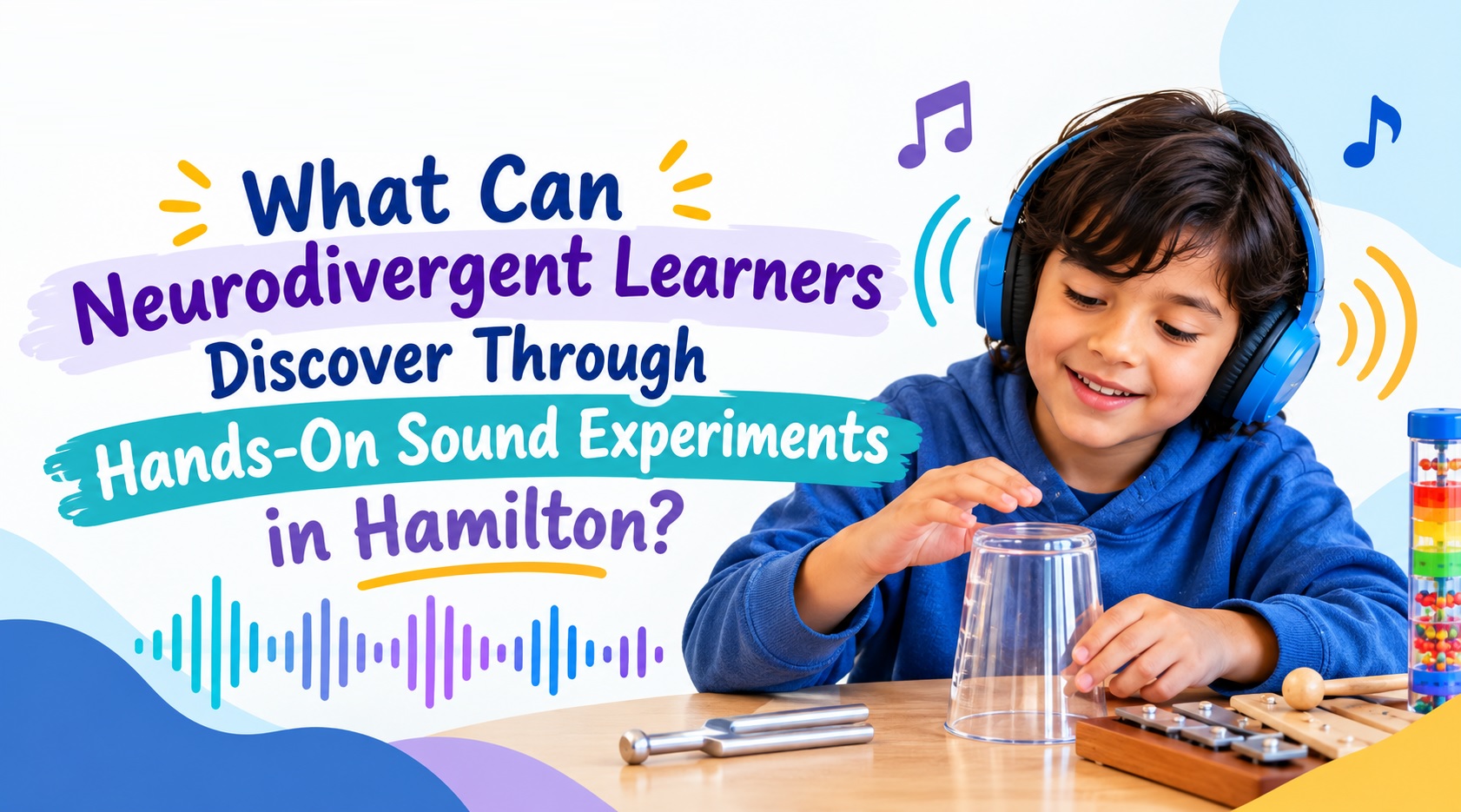
Some learners understand an idea better when they can hear it, feel it, or try it. Sound-based activities can involve instruments, vibration, rhythm, voice, and movement. Students might explore how a sound changes, create a rhythm, or notice vibration in their bodies. This kind of experiential learning can make a real difference.
Create Space for Self-Regulation
Not every student can learn at full speed. Breathing exercises, gentle movement, mindful listening, and calming sounds can become simple regulation tools. The goal of sound therapy is not to make every learner behave in the same way. Instead, it is to give students different ways to find a comfortable state for participation.
Build Connection Through Rhythm
And here is a fun part: sound can bring people together. Through group drumming, body percussion, humming, or collaborative sound-making, school programs in Hamilton encourage students to listen and respond to one another. There is not always a single “perfect” answer. Students can contribute in different ways. For neurodivergent learners, that flexibility is important.
Final Thoughts!
When classrooms make room for sound, movement, creativity, and sensory exploration, learning can become more accessible and joyful for neurodivergent learners.
Recent Posts

06 October, 2026
29 September, 2026

24 September, 2026