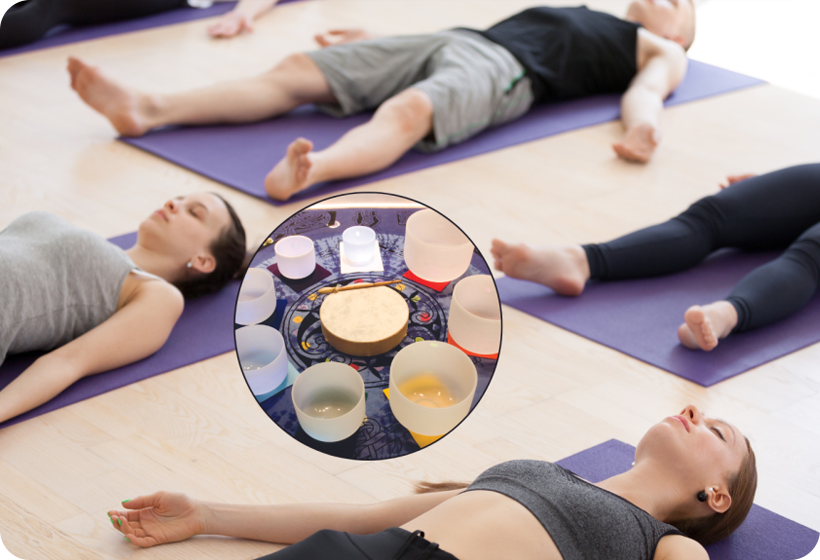
Summary
Resonant learning explores how sound, rhythm, voice, movement, and listening can influence the way people learn and experience information. From classrooms and workplaces to community and personal learning, thoughtful use of sound can create more engaging experiences and encourage people to participate, reflect, connect, and understand ideas in different ways.
—————————————————————————-
Learning does not happen in just one way. We read, watch, discuss, practise, and sometimes learn simply by being fully present in an experience. Sound can play a part in that process too. Resonant learning looks at how rhythm, tone, vibration, voice, and listening can shape the way people take in information.
What Is Resonant Learning?
Resonant learning is not a fixed method that looks the same for everyone. It is about giving sound and the senses a place alongside information and discussion. A rhythm might help people settle into an activity, while a voice or instrument might offer a new way to remember or express an idea.
And it is not only relevant to children or classrooms. Adults learning a new skill, teams taking part in training, facilitators developing their practice, and people exploring something for themselves can all have learning experiences shaped by sound.
Why Does Sound Matter?
Think about how quickly a familiar song can bring back a memory. Sound can be closely tied to attention, emotion, memory, and our sense of what is happening around us. A change in rhythm can wake up our attention, while a familiar sound may make an experience feel more comfortable or meaningful.
That does not mean adding music or noise will automatically improve learning. The sound, listener, and situation all matter. The aim is to use sound with purpose, not as background decoration.
From Hearing to Experiencing
This is where resonant learning can become more hands-on. A session can invite people to notice, respond, move, create, or reflect.
For example, activities might include:
-
Rhythm and percussion for shared participation
-
Breathwork and mindful movement to help people pause and refocus
-
Humming, vocal exploration, or storytelling as forms of expression
-
Instruments and sound experiments to explore ideas in a different way
-
Quiet reflection after an activity to connect the experience with learning
The activities can be changed according to the people involved and the purpose of the session.
Where Can Resonant Learning Be Used?
Resonant learning can fit into many settings. Its possibilities extend to workplaces, community groups, wellness spaces, professional development, and personal learning. A workplace session might use sound and movement to encourage communication and teamwork. A community activity might use rhythm to bring people together. Someone learning independently might use mindful listening to slow down and notice more.
The approach can also be adjusted for different sensory preferences, abilities, ages, and learning needs.
Making Learning More Meaningful
At SoundPlay Works, we use sound, movement, breath, mindfulness, and expressive arts to create experiences that give people room to explore and connect. We see learning as something people take part in, not simply something delivered to them.
Sound is not a shortcut to better learning. But when it is used thoughtfully, it can add another dimension to an experience and give people a chance to learn through listening, doing, feeling, and reflecting.
If you would like to explore sound-based learning for your school, workplace, community, or group, contact us to talk about what could work for you.
Recent Posts
12 September, 2026
01 September, 2026
25 August, 2026

17 August, 2026